Each option is legitimate, and the wrong one is paid for over five years. We always present the advantages and costs of each side by side.
A new on-premises server
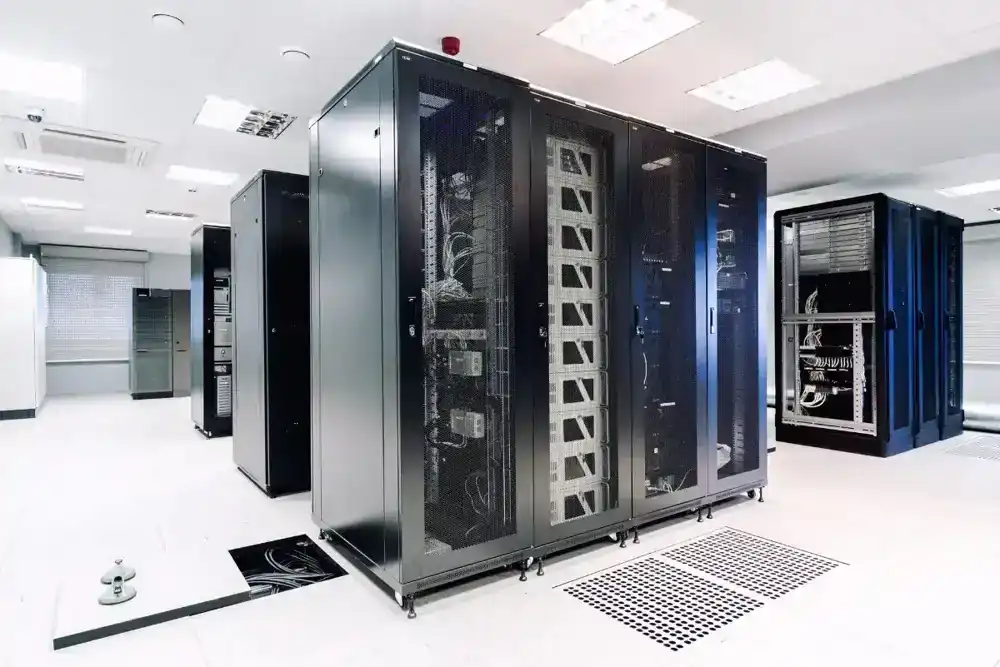
Suited to latency-sensitive applications or large files on the local network, a stable load and a current server that has reached end of life. The downside: capital expenditure returns, along with space, power, replacement in five years and the need for day-to-day management.
Consolidate and change hypervisor
Suited to cases where the VMware bill is no longer proportionate to the infrastructure and the workloads are standard — files, database, management application. The downside: migration has a cost, downtime windows, and drivers and backups to redo. Hyper-V comes with Windows Server; Proxmox is solid and needs no licence, but requires someone who knows how to run it.
Migrate to the cloud
Suited to distributed teams, irregular growth or a company that does not want to buy hardware for another five years. The downside: capital becomes a permanent monthly cost, and older ERP systems, hardware-bound licences and very large folders tend to cost more in the cloud.
The most common outcome is hybrid: email and office files in the cloud, the management application and heavy data on premises. It is almost always the lowest bill. The full comparison is in the article replace, virtualise or move to the cloud.