In this article

An IP video surveillance system is, first and foremost, another set of computers on the company network — and processing of personal data. It works when the objective is defined before counting cameras, when the cameras sit on a segmented network powered with headroom, when the recorder is never exposed to the internet and when signage, retention and access control are dealt with. This guide follows that order.
Four ground rules
- It is processing of personal data It requires signage, a retention period and access control.
- Quantity is not quality A few well-placed cameras beat many badly aimed ones.
- A network of its own Cameras never share the workstation network.
- Recorder off the internet It is one of the most exploited targets there is.
In many companies, video surveillance is the only technical system bought from a catalogue: the number of cameras is chosen, installation is contracted and only later does it turn out that the images are useless — or that the system has become the weakest point in the network.
The objective first, then the cameras
The question that defines the project is what the system is for. Each answer leads to a different design:
| Objective | What it requires |
|---|---|
| Deterrence | Visible cameras at points of passage; a few well-positioned devices are enough. |
| Identifying people | Resolution and framing at face level at the entrances. A wide shot of a warehouse will never identify anyone, however many megapixels it has. |
| Process verification | Angles that show the operation — loading, dispatch, tills — and not just the space. |
| Evidence for claims | A sufficient retention period and usable image export. |
The most expensive mistake: scattering wide shots everywhere and finding, when they are needed, that nobody can be made out. Two cameras well aimed at the entrances are worth more than ten filming empty space.
Three variables that decide whether the images are any use
- Framing Decided on site, not on the floor plan. A camera facing a window produces useless silhouettes in mid-afternoon, and you only see that by being there.
- Lighting Exteriors, car parks and loading bays call for equipment designed for low light; the difference between product ranges shows precisely when the images are needed.
- Retention The number of days to keep, multiplied by the cameras and the quality, gives the storage required. This is where many systems fall short and overwrite the period that mattered.
DataRoad IT Unlimited
Talk to DataRoad. We assess your operation and propose the right plan.
The network infrastructure behind the cameras
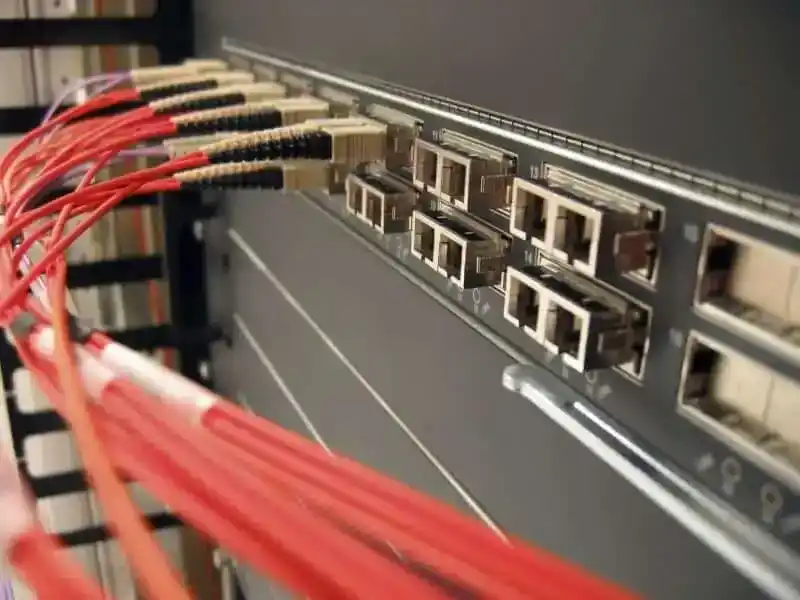
IP cameras run over the same structured cabling as the rest of the company and are powered through the cable (PoE). That requires switches with a sufficient power budget: adding cameras to a switch with no headroom produces random reboots that are hard to diagnose.
The second requirement is segmentation. Cameras should sit on a network separate from workstations and servers, for two reasons:
- Traffic — video is continuous and heavy.
- Risk — video surveillance equipment is among the least frequently updated. On a flat network, a compromised camera opens the way to everything else.
Protecting the system itself
Cameras and recorders are among the favourite targets of those who scan the internet for easy prey. Four measures prevent the vast majority of problems:
- Credentials Change the factory defaults on every device, cameras included.
- Remote access Via VPN or the manufacturer’s platform with strong authentication; never through port forwarding.
- Firmware Kept up to date, because that is where fixes for known vulnerabilities are.
- Named accounts Limited access, no shared accounts, and a log of who accesses what.
Legal obligations to have in place
Without going into legal territory, every company should have these points covered:
- Signage Visible before the monitored areas.
- Retention A defined period that is respected; keeping images indefinitely is not an option.
- Limits Rest areas, changing rooms and spaces with an expectation of privacy are excluded.
- Access to images Controlled and logged.
- Record of processing In the data protection documentation.
When the system covers workstations, there are specific points to validate with legal advice: the purpose cannot be to monitor employee performance.
Video surveillance as part of the managed network
DataRoad - IT Services and Consulting designs and installs IP video surveillance integrated into the company’s network infrastructure, with its own VLAN, secure remote access and managed firewalls protecting the perimeter. Afterwards, the system is placed under management, with recording checks and updates.
More than 10 workstations · support contract · remote, on-site and telephone support. Request a no-obligation proposal.